8 Ways Modern Surgical Techniques Are Changing Prostate Cancer Treatment
A prostate cancer diagnosis often raises important questions about treatment, recovery, and long-term health. Will surgery be necessary? How much time will recovery take? Can treatment affect bladder control or sexual function?
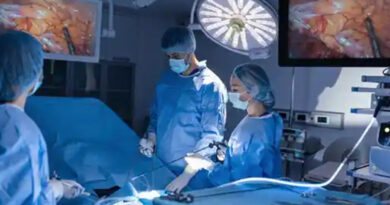
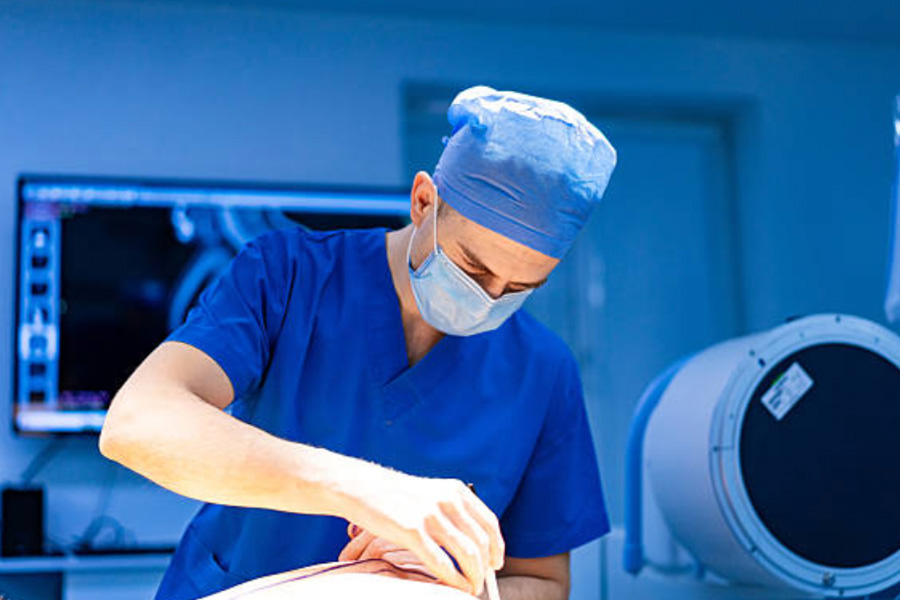
Modern surgical techniques are changing how doctors approach prostate cancer treatment. Advances in robotic technology, medical imaging, and minimally invasive procedures allow surgeons to operate with greater precision in selected cases.
Although surgery is not suitable for every patient, understanding these developments can help individuals compare treatment options and make informed medical decisions.
How Modern Surgical Techniques Are Improving Prostate Cancer Treatment
Traditional prostate surgery generally involved larger incisions and longer hospital stays. Today, minimally invasive approaches offer alternatives that may reduce certain surgical complications and support recovery.
Here are eight important developments patients should understand before considering prostate cancer surgery.
1. Robotic-Assisted Surgery Allows Greater Surgical Precision
Robotic-assisted radical prostatectomy has become an established surgical option for treating localised prostate cancer.
During the procedure, surgeons control robotic instruments through a specialised console. These instruments provide precise movements within the limited space surrounding the prostate.
The robotic system does not operate independently. Every movement remains under the surgeon’s control. Patients researching prostate cancer surgery uae can learn about developments in prostate cancer diagnosis and treatment, including modern surgical approaches.
2. Smaller Incisions Can Support Faster Recovery
Traditional open prostatectomy requires a relatively large surgical incision. Minimally invasive procedures use several smaller openings to access the prostate.
These approaches can reduce blood loss, postoperative discomfort, and hospital stays for some patients.
However, recovery varies according to age, medical history, and surgical complexity. Patients should discuss expected hospitalisation, catheter use and activity restrictions before undergoing treatment.
3. Nerve-Sparing Techniques May Help Preserve Sexual Function
The nerves responsible for erections run close to the prostate, making them vulnerable during surgery.
Nerve-sparing prostatectomy aims to preserve these structures while removing cancerous tissue.
This approach may improve the chances of recovering erectile function, although results depend on age, existing sexual health, and tumour location.
Nerve preservation is not always possible when cancer involves or closely approaches these structures.
4. Advanced Imaging Supports Better Surgical Planning
Medical imaging plays an important role in planning prostate cancer surgery.
Multiparametric magnetic resonance imaging (MRI) helps doctors assess suspicious areas within the prostate and determine whether cancer may have extended beyond the gland.
In selected patients, prostate-specific membrane antigen PET scans can help identify cancer spread. These findings allow surgical teams to assess whether surgery is appropriate and plan the extent of tissue removal more carefully.
5. Improved Surgical Approaches Focus on Bladder Control
Urinary incontinence is a recognised complication of prostate cancer surgery. Damage to nearby muscles and supporting structures can affect bladder control. Modern techniques aim to preserve important anatomical structures whenever cancer removal permits.
Some surgeons use specialised approaches intended to support earlier urinary continence recovery. However, patients may still experience temporary or persistent leakage. Pelvic floor exercises and rehabilitation can help manage recovery under professional guidance.
6. More Precise Lymph Node Assessment Supports Treatment Decisions
Prostate cancer can sometimes spread to nearby pelvic lymph nodes. During surgery, doctors may remove selected lymph nodes to determine whether cancer cells have reached these areas.
Modern imaging and individualised risk assessments help surgeons decide when lymph node removal is necessary. The results can influence further treatment recommendations, including radiation or hormone therapy.
Patients should ask whether lymph node surgery is recommended and what additional risks it may involve.
7. Specialist Surgical Teams Support Individualised Treatment
Successful prostate cancer surgery depends on more than advanced equipment. Surgical experience, accurate diagnosis and coordinated medical care remain essential.
Specialist centres such as cleveland clinic abu dhabi provide access to multidisciplinary healthcare services, allowing patients to discuss their diagnosis with relevant specialists.
A treatment team may include urologists, oncologists, radiologists, and other healthcare professionals. This coordinated approach helps doctors consider cancer control, possible complications, and quality-of-life concerns before recommending surgery.
8. Improved Follow-Up Helps Monitor Recovery and Cancer Recurrence
Modern prostate cancer care continues after the surgical procedure.
Regular prostate-specific antigen (PSA) blood tests help doctors monitor for signs of cancer recurrence. Following complete prostate removal, PSA levels are generally expected to become very low or undetectable.
Postoperative appointments also allow doctors to assess urinary function, sexual health, and healing.
Patients should understand their follow-up schedule and report persistent or worsening symptoms promptly.
What Should Patients Consider Before Choosing Surgery?
Modern surgical techniques offer several advantages, but treatment decisions should always reflect individual medical circumstances.
Before proceeding, patients should discuss:
- Their cancer stage, grade, and PSA results.
- Whether surgery or another treatment is more appropriate.
- The surgeon’s experience with the recommended procedure.
- Possible effects on bladder control and sexual function.
- Expected recovery time and follow-up requirements.
For some patients with low-risk prostate cancer, active surveillance may be preferable to immediate treatment. Others may benefit from radiation therapy or combined approaches.
Conclusion
Modern surgical techniques are changing prostate cancer treatment by improving surgical access, supporting precise tissue removal, and placing greater attention on functional recovery.
Robotic-assisted procedures, advanced imaging, and nerve-sparing approaches provide important options for eligible patients. However, no technique guarantees better outcomes for everyone.
The most appropriate prostate cancer treatment depends on the diagnosis, overall health, and personal priorities. Discussing the available options with an experienced medical team can help patients make confident, well-informed decisions.