
What Happens If You Miss a Trust Pill? Common Questions Answered
Remembering your daily birth control pill can sometimes be challenging. Busy schedules, travel, unexpected events, or simple forgetfulness can disrupt an established routine.
If you use Trust Pills, missing a tablet may leave you wondering whether your contraceptive protection has changed or whether additional precautions are necessary.
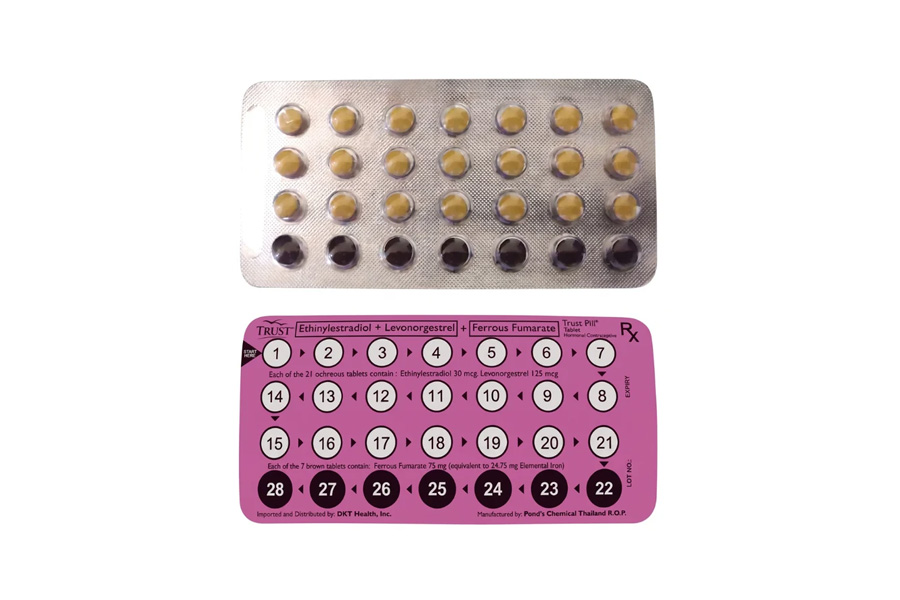
Trust Pill (ethinylestradiol, levonorgestrel, and ferrous fumarate) is a combined oral contraceptive containing hormonal tablets and iron-containing reminder tablets.
The implications of a missed tablet depend on which type was missed and other individual circumstances.
Understanding these differences can help you recognize potential risks and make informed decisions with guidance from a qualified healthcare professional.
Only for the treatment of conditions diagnosed by a physician.
What Happens If You Miss a Trust Pill?
Missing a hormonal birth control pill may affect contraceptive protection, but the level of concern depends on the type of tablet missed, the number of missed hormonal tablets, and their position in the pack.
Not every missed tablet carries the same implications.
Combined oral contraceptives rely on consistent hormone exposure to suppress ovulation and support pregnancy prevention.
Interruptions in hormone exposure may increase the possibility of ovulation, particularly when multiple hormonal tablets are missed or the hormone-free interval is unintentionally extended.
However, missing an iron-containing reminder tablet does not have the same effect on hormonal contraceptive protection.
If you are uncertain which tablet you missed, check the packaging and consult a pharmacist or licensed healthcare professional for advice specific to your situation.
What Are Trust Pills and How Do They Function?
Trust Pill (ethinylestradiol, levonorgestrel, and ferrous fumarate) contains a combination of reproductive hormones alongside separate iron-containing tablets.
The ingredients have different roles:
- Ethinylestradiol: A synthetic estrogen that forms part of the combined hormonal contraceptive formulation.
- Levonorgestrel: A synthetic progestin that contributes to the contraceptive action.
- Ferrous fumarate: An iron compound included in the nonhormonal reminder tablets.
The hormonal components primarily suppress ovulation. They also affect cervical mucus, making it more difficult for sperm to reach an egg.
The reminder tablets do not contain the contraceptive hormones responsible for preventing ovulation.
This distinction is particularly important when evaluating a missed tablet.
Does It Matter Which Tablet You Miss?
Yes. Identifying the type of tablet is one of the most important considerations.
Missing a Hormonal Tablet
Hormonal tablets contain the active contraceptive ingredients.
Missing one or more of these tablets may disrupt consistent hormone exposure.
The potential impact depends on several factors, including previous adherence and the position of the missed tablet within the pack.
For this reason, advice should be based on the specific situation rather than a general assumption that every missed tablet presents the same risk.
Missing an Iron-Containing Reminder Tablet
The iron-containing reminder tablets are different from the hormonal tablets.
Because they do not contain the contraceptive hormones, missing one does not directly reduce hormonal contraceptive protection.
However, maintaining an organized routine remains important because confusion between tablet types can lead to errors involving the hormonal portion of the pack.
If you cannot identify which tablet was missed, ask a healthcare professional to review the packaging with you.
Can You Become Pregnant After Missing a Birth Control Pill?
Pregnancy is possible when hormonal contraceptive use is interrupted.
However, missing a tablet does not automatically mean pregnancy will occur.
The possibility depends on factors such as the number of missed hormonal tablets, their position in the pack, previous contraceptive use, and recent sexual activity.
The Centers for Disease Control and Prevention (CDC) provides specific recommendations for different missed-pill situations because the degree of risk is not identical in every case.
If pregnancy is a concern, contact a qualified healthcare professional for an individualized assessment.
A pharmacist or physician can help determine whether additional contraceptive protection, emergency contraception, or pregnancy testing should be considered.
Why Might Backup Contraception Be Necessary?
Backup contraception may be recommended when missed hormonal tablets create uncertainty about pregnancy protection.
Condoms are one example of a barrier contraceptive method.
They also offer protection against sexually transmitted infections, which hormonal contraceptives do not provide.
The need for additional protection depends on the circumstances of the missed pill.
Patients should follow the advice of a qualified healthcare professional or the official patient information accompanying their prescribed medication.
Avoid relying on social media advice that does not account for differences between contraceptive formulations.
Can Missing Trust Pills Affect Your Menstrual Cycle?
Hormonal contraception can influence menstrual bleeding patterns.
Some individuals notice changes such as:
- Spotting between expected bleeding episodes
- Irregular withdrawal bleeding
- Lighter or heavier bleeding than usual
- Breast tenderness
- Abdominal discomfort
- Changes in menstrual symptoms
Missed hormonal tablets may contribute to irregular bleeding, but the presence or absence of bleeding cannot reliably determine whether pregnancy has occurred.
It is also important to recognize that bleeding changes can happen during otherwise consistent contraceptive use.
If you experience persistent, unusual, or concerning symptoms, seek professional medical advice.
What Should You Know About Emergency Contraception?
Emergency contraception may be relevant in certain missed-pill situations involving unprotected sexual activity.
However, not every missed tablet creates the same need for emergency contraception.
The appropriate recommendation depends on the contraceptive formulation, the extent of missed hormonal tablets, and individual pregnancy risk.
Different emergency contraceptive methods also have different medical considerations.
A qualified healthcare professional can explain which options may be appropriate without relying on generalized online instructions.
If you are concerned about a recent contraceptive error, seek advice promptly because emergency contraception is time-sensitive.
What If You Frequently Forget Your Birth Control Pills?
Occasional forgetfulness can happen, but repeatedly missing hormonal tablets may affect the reliability of oral contraception.
If daily adherence is difficult, consider discussing your routine with a healthcare professional.
Some practical ways to support consistency include:
- Using a phone reminder or calendar notification
- Keeping a personal record of contraceptive use
- Maintaining an organized medication storage area
- Reviewing product packaging to avoid confusion
- Discussing alternative contraceptive methods with a physician
Some individuals may find that a different contraceptive method is more compatible with their lifestyle.
Medical eligibility, personal preferences, and health history should guide that decision.
What Should You Know About Trust Pills Price in the Philippines?
People researching Trust Pills Price may want to understand the costs associated with oral contraception in the Philippines.
However, published prices can vary among pharmacies and healthcare providers.
Factors affecting the listed cost may include:
- Pharmacy pricing policies
- Product availability
- Packaging and product presentation
- Associated medical services
- Delivery and handling charges
When researching Trust Pill Price, it is also important to verify that the medicine comes from an authorized pharmacy or legitimate healthcare provider.
Consumers should be cautious about unusually low prices offered through unfamiliar websites or social media accounts.
Product authenticity, appropriate medical assessment, and reliable pharmaceutical information are more important than comparing advertised costs alone.
Why Is Medical Guidance Important for Contraceptive Safety?
Although birth control pills are familiar to many consumers, hormonal contraceptives are not medically appropriate for everyone.
Combined hormonal formulations require careful consideration in people with certain medical conditions, including:
- A history of blood clots
- Certain cardiovascular conditions
- Uncontrolled high blood pressure
- Migraine with aura
- Serious liver disease
- Certain hormone-sensitive cancers
Smoking and other cardiovascular risk factors can also influence contraceptive eligibility.
A physician may review your medical history, current medications, blood pressure, and reproductive health concerns before determining whether a particular contraceptive is appropriate.
Professional guidance is especially important if you experience unusual symptoms or have concerns about medication interactions.
Frequently Asked Questions About Trust Pills
Does missing one Trust Pill automatically mean pregnancy is possible?
Missing a hormonal tablet may affect contraceptive reliability, but pregnancy risk depends on several circumstances.
A single missed tablet does not automatically mean pregnancy has occurred.
Is missing a brown reminder tablet different from missing a hormonal tablet?
Yes. In the standard Trust Pill pack, the brown tablets contain ferrous fumarate rather than contraceptive hormones.
Missing an iron-containing reminder tablet does not directly reduce hormonal contraceptive protection.
Can missed birth control pills cause spotting?
Yes. Interruptions in hormonal contraception may contribute to spotting or irregular bleeding.
However, bleeding changes can have other causes and should be evaluated if they are persistent or concerning.
Do Trust Pills protect against sexually transmitted infections?
No. Hormonal contraceptive pills do not protect against HIV or other sexually transmitted infections.
Condoms are an important option for reducing STI transmission risk.
Is Trust Pill available in the Philippines?
Yes. Trust Pill (ethinylestradiol, levonorgestrel, and ferrous fumarate) is listed in the Philippine FDA drug product verification database.
Consumers should verify current product registration and obtain prescription medicines through appropriately authorized providers.
Can everyone use combined hormonal birth control pills?
No. Certain health conditions and risk factors can make combined hormonal contraception unsuitable.
A licensed healthcare professional should assess individual medical eligibility.
Supporting Safer and More Informed Contraceptive Decisions
Missing a contraceptive pill can create uncertainty, particularly when you are unsure whether the missed tablet contains active hormones.
Understanding the difference between hormonal and reminder tablets is an important part of interpreting a missed-pill situation.
Rather than relying on generalized advice, seek professional guidance that accounts for your medical history, prescribed contraceptive formulation, and personal circumstances.
Now Express PH provides additional information about Trust Pill (ethinylestradiol, levonorgestrel, and ferrous fumarate) for individuals researching contraceptive healthcare in the Philippines.
Reliable information, consistent contraceptive practices, and access to qualified medical professionals can help support informed reproductive health decisions.